Patterns
Understanding recurring emotional, relational, or behavioral patterns—and what they may have developed to protect.
Meet Airielle
I am Airielle Banaszak, MSW, LISW-S, LCSW, ACHT. I am a clinical social worker and Advanced Certified Hypnotherapist, and my work is grounded in the belief that people sometimes need practical support for what is happening right now—and sometimes need space to understand what lies beneath it.
I work collaboratively rather than from a rigid formula. Depending on what brings you in, our work may include reflection, practical strategies, nervous-system awareness, imagery, experiential approaches, values and meaning, deeper pattern exploration, or simply making room for something that has been difficult to name.

How my work evolved
I became interested because I learned that sometimes understanding what happened—and knowing how to cope with it—is only part of the work.
My interest in integrative and depth-oriented approaches is both professional and personal. Over the years, mindfulness, hypnotherapy, and transpersonal approaches became meaningful parts of my own growth and healing. That experience changed the way I understood what can help people create lasting change.
It led me to pursue additional training in approaches that make room not only for thoughts and behaviors, but also for the nervous system, imagery, subconscious patterns, identity, meaning, inner experience, and the deeper questions that can emerge during difficult seasons of life.
I still value practical, evidence-informed psychotherapy. Sometimes a concrete coping strategy is exactly what is needed. But there are also times when managing the symptoms is not the whole story, and deeper exploration can help us understand why a pattern keeps returning or why something continues to feel unresolved.
What the work can look like
There is no single way that every session should look.
Sometimes the work is concrete: understanding a stressful situation, identifying options, practicing coping skills, noticing unhelpful thought patterns, or finding a way through a difficult week.
At other times, we may slow down and become curious about what is happening underneath the surface.
Understanding recurring emotional, relational, or behavioral patterns—and what they may have developed to protect.
Noticing how stress, overwhelm, and past experience show up in the body and nervous system.
Making room for emotions, imagery, younger parts, old conclusions, unmet needs, and aspects of yourself that may not be reached through analysis alone.
Exploring questions of identity, purpose, values, grief, transition, spirituality when desired, and what feels true for the person you are becoming.
Turning insight into choices and actions that feel more aligned with who you are now.
Your beliefs belong to you
Some clients are interested in spirituality, meaning, intuition, or transpersonal perspectives. Others are not.
You do not need to believe in anything in particular to work with me.
Spirituality can be part of the conversation when it is meaningful to you, but it is never required, imposed, or used in place of clinical care.
The same is true of hypnotherapy, guided imagery, somatic work, and other experiential approaches. We use what fits the person, the service, the goals, and the moment.
Professional background
My foundation is clinical social work. Over time, I have continued training in approaches that support both practical change and deeper self-understanding.
Outside the therapy room
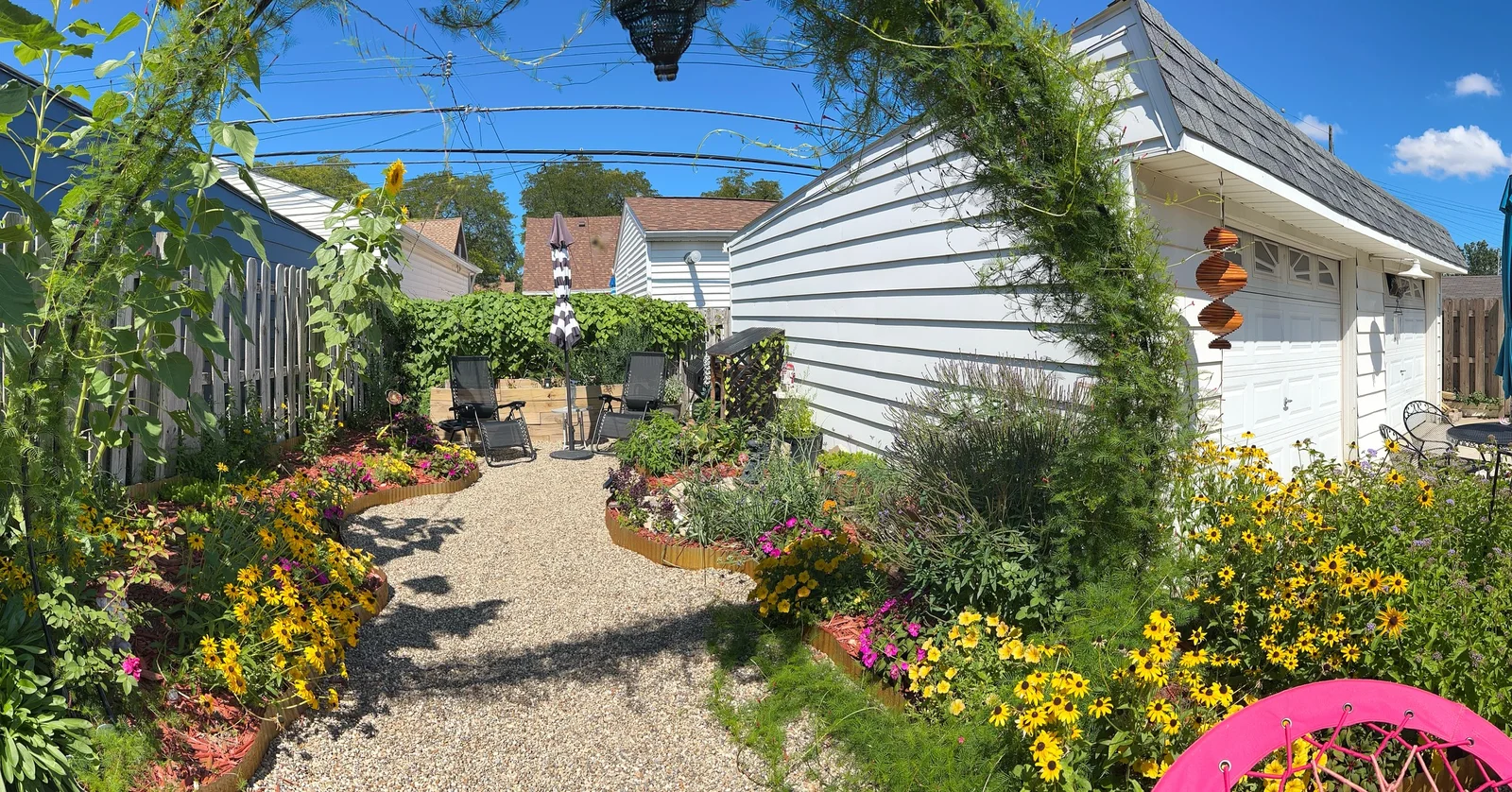
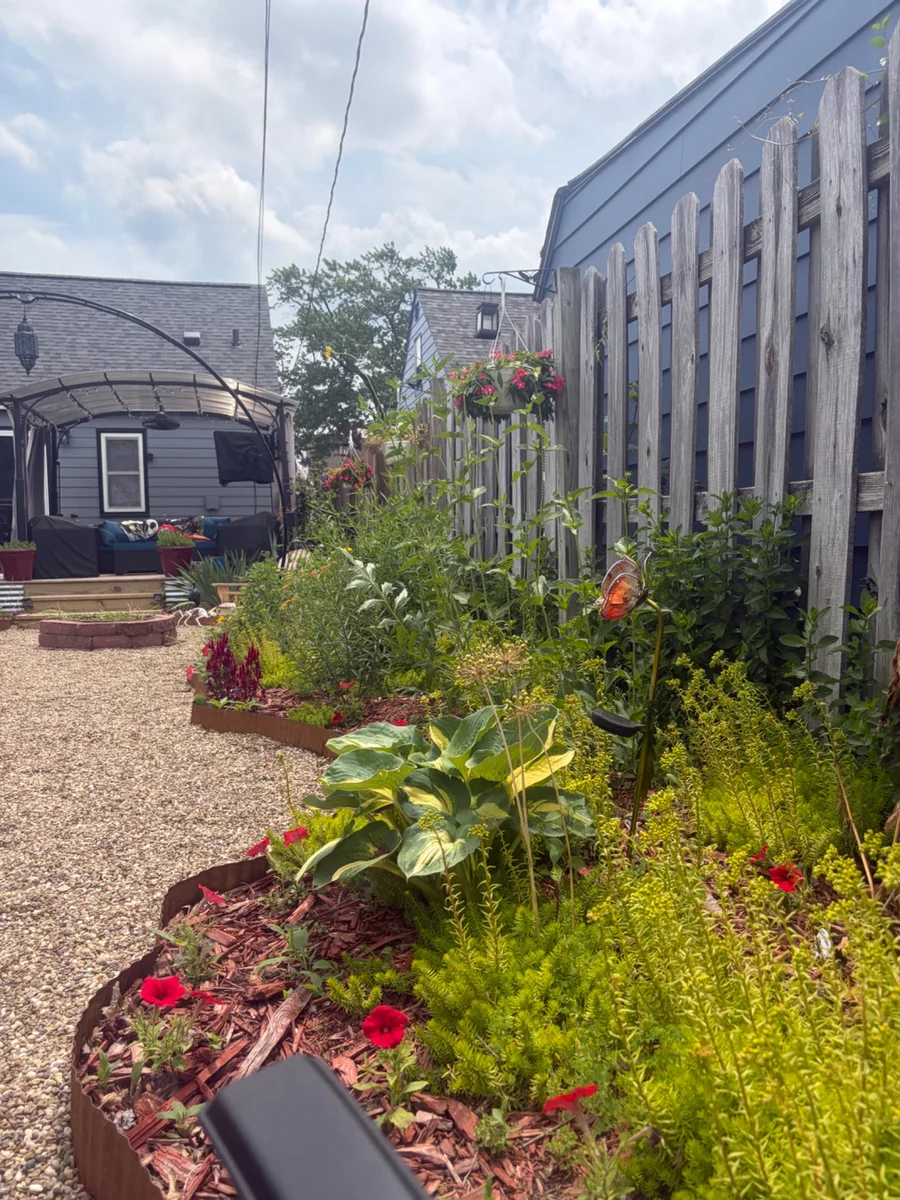
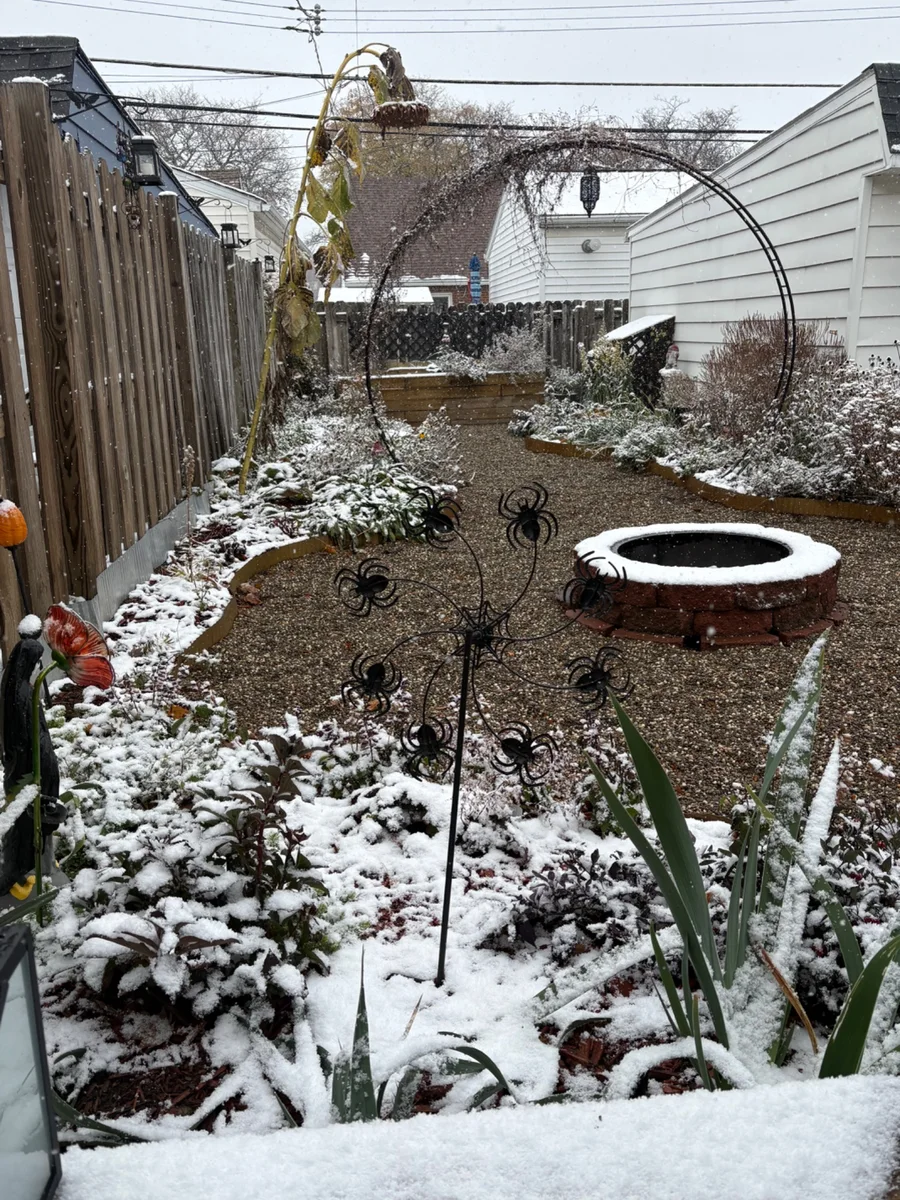
Outside of work, I love gardening with native Ohio plants. There is something grounding about tending a garden and remembering that growth does not happen all at once.
Some seasons are for blooming. Some are for pruning. Some are for resting, rebuilding, or simply staying rooted while conditions change.
That rhythm has become part of how I think about people, too. Different seasons of life ask different things of us, and growth does not always look dramatic from the outside.
I do not believe the goal is to become a completely different person. Often the work is about becoming more connected to the person who has been there underneath the roles, responsibilities, coping strategies, and expectations all along.

Who I often work with
Ways to work together
01 · Clinical care
Clinical support for emotional distress, burnout, chronic illness, caregiving, grief, identity change, relationship patterns, life transitions, and other behavioral health concerns.
Explore Psychotherapy02 · Specialty service
A focused 90-minute specialty self-pay service for people who may understand a pattern intellectually and want to explore what lies beneath it.
Explore Hypnotherapy03 · Non-clinical support
A non-clinical space for identity, values, purpose, meaning, self-discovery, and intentional change.
Explore CoachingYour next step
If something on this page feels familiar, you are welcome to explore the different ways we might work together or schedule a consultation to talk about what kind of support may fit.
Growth happens in seasons.